Hire Blockchain Developers With a Proven Playbook
Understanding The Talent Shortage
Securing top blockchain developers often feels like a sprint—demand is up 17x while skilled professionals stay out of reach. Budgets are rising, timelines are slipping, and every open role turns into a bidding war.
Growth in DeFi platforms, NFT marketplaces, and enterprise chains has created a gap that today's hiring tactics struggle to close. Teams are competing for the same small pool of experts, driving compensation and perks ever higher. Clear career progression frameworks and transparent interview processes can be your differentiator, attracting candidates with a vision for growth.
Key Shortage Statistics
A few numbers paint the picture clearly:
- Jobs-to-Developer Ratio 17:1 means every engineer juggles seventeen openings.
- 26,000 Qualified Developers worldwide simply can’t fill the pipeline.
- 440,000 Open Roles underscore how fierce the competition has become.
For a deeper dive, check the full report on 23stud.io.

Blockchain Developer Supply Gap Metrics
Before you build your hiring plan, review these critical figures:
| Metric | Value | Business Impact |
|---|---|---|
| Jobs-to-Developer Ratio | 17:1 | Extends hiring timelines by 3–6 weeks |
| Qualified Developers Available | 26,000 | Limits project launches and raises cost |
| Open Blockchain Roles | 440,000 | Drives up compensation demands |
| Average Time To Fill | 60 days | Delays roadmap milestones and budgets |
These metrics explain why you’ll need to flex your budget and stretch your hiring window. Incorporating clear career ladders into your hiring playbook can shorten time-to-hire by showcasing long-term growth opportunities.
Hiring managers expect at least a 60-day hiring cycle for core protocol roles due to supply constraints.
Protocol Communities And Upskilling
Top teams scout candidates right where they code and collaborate:
- Monitor GitHub repos and forum threads on Ethereum, Polkadot, and Solana.
- Sponsor hackathons or bug bounties to spot talent and test real skills.
- Run in-house workshops in Solidity basics and Web3 security to grow your own bench.
These touchpoints double as informal interviews that surface potential hires and give candidates clarity on your professional development offerings.
Contractor To Perm Pathways
Short contracts can be your secret weapon:
- Define clear milestones—like deploying a smart contract or finishing a security audit—to trigger permanent offers.
- Keep feedback loops tight so contractors know exactly how they’re performing.
- Build trust early, and you’ll convert more freelancers into full-time hires.
Contract-to-hire transitions create built-in performance interviews, letting candidates showcase growth before committing long term. You might be interested in our further insights on talent strategies in our blog on Blockchain Jobs.
Hiring Window Strategies
Keeping momentum is everything when every candidate juggles multiple offers:
- Maintain a rolling pipeline of at least 10 pre-vetted candidates per role.
- Automate personalized check-ins to prevent ghosting before you extend an offer.
- Sweeten deals with sign-on bonuses or token grants when budgets allow.
By overlapping interviews and proposals, you’ll shave days off the process and stay ahead of rival teams. Always use structured interview guides to keep candidates informed about next steps and career discussions.
Defining Roles And Skills Requirements

Before you post a single job ad, sketch out each position’s purpose. What core responsibilities will live under that title, and how will it drive your product roadmap forward? Define the career progression steps—junior to senior—so candidates see a clear growth path from day one.
Start by mapping deliverables, expected impact, and domain focus for each role. This clarity makes everything from writing the description to screening candidates smoother.
Take, for instance, a Smart Contract Developer responsible for writing and auditing Solidity code to power new DeFi features. A Protocol Engineer might fine-tune consensus layers in Go or Rust and oversee node architecture. Meanwhile, a Security Auditor hunts for vulnerabilities and guides fixes before production launches.
Sample Skills Matrix
| Role | Technical Skills | Soft Skills | Career Progression Milestones |
|---|---|---|---|
| Smart Contract Developer | Solidity, Remix, Truffle | Attention to detail, communication | Deliver first audited contract (6mo), mentor juniors (12mo), drive protocol design (24mo) |
| Protocol Engineer | Go, Rust, P2P networking | Collaboration, problem-solving | Ship consensus upgrade (6mo), lead cross-functional sprint (12mo), architect new layer (24mo) |
| Security Auditor | Pen testing, cryptography | Critical thinking, reporting | Complete 5 audits (6mo), lead security review workshops (12mo), establish org-wide security guild (24mo) |
This table ties each role’s must-haves to the traits that help them excel and outlines career benchmarks you can discuss during interviews. During debriefs, engineering leads can rate these on a 1–5 scale for consistent comparisons.
Aligning Seniority Levels
- Junior (0–2 years): Focus on routine tickets, pair programming
- Mid (2–5 years): Own modules, run code reviews independently
- Senior (5+ years): Drive architecture decisions, mentor teammates
Matching these tiers to your roadmap milestones prevents overspending on entry-level hires or underinvesting in leadership and provides clear interview talking points around progression.
Many teams lower experience requirements by up to 2 years to access a larger talent pool without sacrificing quality.
Collaborating With Engineering Leads
Aligning early saves headaches later. Invite your tech leads to:
- Kick off with a workshop on upcoming features and delivery timelines
- Prioritize skills by business impact and urgency
- Draft role briefs that outline clear learning paths and progression checkpoints
In one fintech startup, this approach cut screen-out rates by 40% and built collective ownership of hiring criteria. These workshops double as the first-stage interview calibration sessions.
Balancing Ideal And Realistic Requirements
Striking the right balance keeps your pipeline full. If every skill is mandatory, you’ll filter out 50–70% of candidates right away. Instead:
- List essential skills first
- Tag advanced abilities as “nice-to-haves”
- Clarify onboarding support for on-the-job upskilling and career mentoring
Curious about how ConsenSys structures their teams? Check out Blockchain Engineer roles at ConsenSys.
Document Skills And Update Regularly
Once roles are approved, keep a living document on hand. Review and tweak it every quarter as your roadmap shifts. Track:
- Candidate feedback on missing skills
- Which assessments left top talent out
- Job ad copy to reflect realistic demands
This habit can shorten time-to-hire by up to 25%, ensuring your profile stays in sync with market changes and keeps career pathways relevant.
Key Takeaways
Define each role with clear outcomes, match seniority to your milestones, and keep criteria flexible. Collaborate early with engineering leads and separate essential skills from desirables to reduce screen-outs and speed decisions. Embed progression steps into role definitions to wow candidates in interviews.
Next step: sourcing strategies.
Choosing Sourcing Strategies And Channels
Generic job boards can bury your opening under a flood of mismatched resumes. When you need blockchain developers who’ve already navigated smart contracts and DeFi protocols, niche channels make all the difference. Focus on these sources and refine your interview funnel to highlight career conversations early.
Start by scouting platforms where crypto specialists spend their time:
- CryptoJobs, Ethlance, Gitcoin Jobs for laser-focused listings
- Discord servers and Telegram groups for instant conversations
- Specialized Slack workspaces where contributors swap tips
These spots cut through the noise and help you connect with candidates who live and breathe blockchain.
Evaluate Protocol Community Forums
Communities like Ethereum Research and Solana Stack Exchange are more than Q&A sites—they’re talent pools. Users share code reviews, post audit findings, and showcase portfolios. When you scout there, you reach developers who’ve already proven their chops.
“Discord sourcing shaved 30% off our hiring time by tapping active contributors.”
Case Study
- A DeFi startup needed a security auditor in two weeks
- They joined a protocol’s Discord, posted audit bounties, and engaged experts
- Outcome: Offer extended within 10 days instead of the typical 14
These rapid engagements often become informal interviews where you can discuss the candidate’s ideal career trajectory.
Prioritize Channels By Urgency And Budget
Every search balances speed, cost, and quality. If funds are tight, combine developer bounties and hackathon sponsorships. When a role can’t wait, turn to paid LinkedIn campaigns or specialized headhunting firms.
Source Channels Overview
- Crypto job boards with subscription tiers
- Developer bounties on Gitcoin or Bounty0x
- Protocol GitHub issues and pull-request reviews
- Sponsored hackathons and coding challenges
While you evaluate full-time hires, keep a pipeline of contractors to cover urgent deliverables—ensuring progress never stalls.
Blend Remote First And Onsite Pipelines
Opening up to remote talent stretches your reach across time zones. Yet some senior or leadership positions still call for in-person synergy. A hybrid mix often works best:
- Fully remote contractors for audits and quick-turn features
- Local hires for cross-team leadership roles
- Remote-to-perm candidates assessed after key milestones
| Channel Type | Cost Level | Ideal For |
|---|---|---|
| Crypto Job Boards | Medium | Ongoing hiring volume |
| LinkedIn Outreach | High | Senior and specialized roles |
| Protocol Community Forums | Low | Niche expertise and early-stage |
| Hackathons and Bounties | Variable | Skills screening and engagement |
Integration Of Market Growth Trends
Data for 2025 shows a rebound in Web3 hiring despite ongoing volatility. Reports highlight 66,494 new Web3 roles added in 2025—a 47% rebound from 2024—and roughly 3,700 new positions appearing each month in late 2025. To discover more insights about Web3 roles growth, dive into the full research.
Leverage Internal Link And Platform Tools
When you hire blockchain developers, supplement your outreach with a dedicated platform. Check out our guide on finding niche talent on Blockchain Jobs.
By posting on a board focused exclusively on blockchain, DeFi, NFTs, and dApps, you’ll reach candidates who are already deeply invested in the space.
Best Practices
- Post clear role requirements and tech stack up front
- Engage organically in relevant community threads
- Offer bounties or hackathon prizes to gauge real skills
- Automate follow-ups to keep candidates engaged
This approach maintains a steady candidate flow, even when competition spikes.
Track Channel Performance
Regularly review your sourcing metrics to see which channels deliver the strongest candidates. Key data points include:
- Applications received per source
- Interview conversion rates
- Average time-to-offer
- Candidate satisfaction scores from follow-up surveys
Use these insights to reallocate budgets and refine your strategy—ensuring every dollar and hour invested drives the best possible outcome and aligns with career progression discussions during interviews.
Crafting Job Descriptions To Attract Talent
A job description is your first handshake with potential blockchain hires. It sets expectations and paints a picture of where they’ll fit in. Nail this, and you can see a 60% jump in qualified applicants even when the market’s crowded.
Clarity around mission and culture filters out unfocused resumes. Generic perks and broad buzzwords do the opposite. Focus on real blockchain experience and the role’s long-term impact, including career milestones you’ll support.
- Mission Statement: Two crisp sentences that explain why your project exists.
- Tech Stack: Core tools—Solidity, Hardhat, Go, Rust.
- Team Culture: Highlight weekly retrospectives, peer code reviews, or hack days.
- Career Path: Sketch milestones at 6, 12, and 24 months, plus mentorship programs.
- Compensation Summary: Be upfront with salary bands, token grants, or equity ranges.
Before And After Examples
Even swapping “build dApps” for a line that highlights user impact can elevate your applicant pool. Here’s a side-by-side comparison:
| Element | Before Snippet | After Snippet |
|---|---|---|
| Mission | Build dApps | Launch DeFi tools empowering 10K+ users to manage assets efficiently. |
| Tech Stack | Solidity experience required | 5+ years with Solidity, OpenZeppelin, Truffle, and Hardhat. |
| Culture | Fast-paced environment | Weekly hackathons, paired programming, and quarterly offsites. |
“Well-crafted descriptions can increase qualified applicants by 50%, according to hiring data.”
In my work with several startups, weaving in real usage stats, team rituals, and clear career ladders builds genuine trust.
Incentives And Branding Tips
Token grants and equity can be deal-makers for blockchain engineers. Laying out vesting, unlock curves, and distribution caps up front saves time—and answers their top questions before interviews.
- A 4-year vesting structure with a one-year cliff
- Equity range clearly stated (e.g., 0.5%–1.5%) for senior hires
- Links to live smart contracts or your GitHub repo as proof points
- A short testimonial from an engineer showcasing why your culture clicks
Companies that mention token grants up front often see 30% more serious inquiries.
Highlight Responsibilities Clearly
Precision here is everything. Candidates want to see exactly where they’ll plug in—protocol engineering, smart-contract security, or full-stack Web3. Then, drill down:
- Auditing Solidity code and deploying contracts via Hardhat
- Maintaining node infrastructure and monitoring network health
- Collaborating with product managers, security teams, and DevOps
- Defining Q1 deliverables, like launching a token sale or completing a security audit
This level of detail helps you weed out mismatches early and speeds up the review process, and gives interviewers clear topics to probe on career goals.
Writing Magnetic Titles
A sharp title alone can boost open rates by 25%. Name the role, flag seniority, and add a hook. Try options like:
- Senior Solidity Engineer Building Cross-Chain Bridges
- Protocol Security Auditor With Token Equity Opportunity
- Blockchain Full-Stack Developer Focused on ZK Proofs
Run A/B tests to discover which headlines attract the best candidates and spark initial career-path conversations.
Job Ad Checklist
Before you hit “Publish,” run through this quick list:
- Remove internal acronyms and needless jargon
- Confirm salary bands and token/equity details are crystal clear
- Test all links (company site, GitHub, demo) on desktop and mobile
- Match your ad’s logo and color palette with the main website
- Preview across devices to ensure readability
With these tactics in place, you’ll not only attract but also convert top-tier blockchain talent by emphasizing growth and career progression in every ad.
Implementing Screening And Assessment Frameworks
Selecting the right evaluation setup can feel like juggling several moving parts. If candidates stall, you risk losing top talent. Blending tech-driven checks with live interactions keeps the process smooth and engaging—and sets clear expectations for career feedback.
Automated Code Reviews
Static analysis tools flag vulnerabilities before anyone has to dive in manually. For example, integrating Slither into your CI pipeline catches reentrancy risks, while MythX scans smart-contract repos for known exploits. That quick feedback loop helps candidates adjust code early and learn fast.
| Tool | Focus | Integration |
|---|---|---|
| Slither | Security linting | CI pipeline |
| MythX | Vulnerability analysis | GitHub Actions |
| CodeCov | Test coverage | Pull requests |
- Track gas efficiency and readability as core metrics.
- Follow a review template covering logic, security, and documentation.
- Assign each submission a 1–5 score to keep comparisons straightforward.
Pairing these automated checks with manual notes ensures you catch both low-hanging bugs and deeper design choices—and provides a foundation for growth-oriented feedback sessions.
Take-Home Challenges
Real-world tasks surface habits you won’t see on a whiteboard. Here are a few we’ve found effective:
- Build a token-swap function optimized for gas.
- Hunt and fix edge cases in a consensus protocol.
- Conduct a mini security audit and report your findings.
Timely feedback is key—aim to share results within 48 hours so candidates stay motivated and understand areas for career skill development.
Live Pairing Sessions
Watching someone code in real time reveals their thought process. Block out a 60-minute session where a candidate and your senior engineer tackle a debugging challenge together.
- Share session objectives up front to set clear expectations.
- Record the pairing for later review and calibration.
- Pay attention to how they explain each decision, not just the final code.
Right after, huddle with stakeholders to align impressions and outline next interview steps, including mentoring and career pathways.
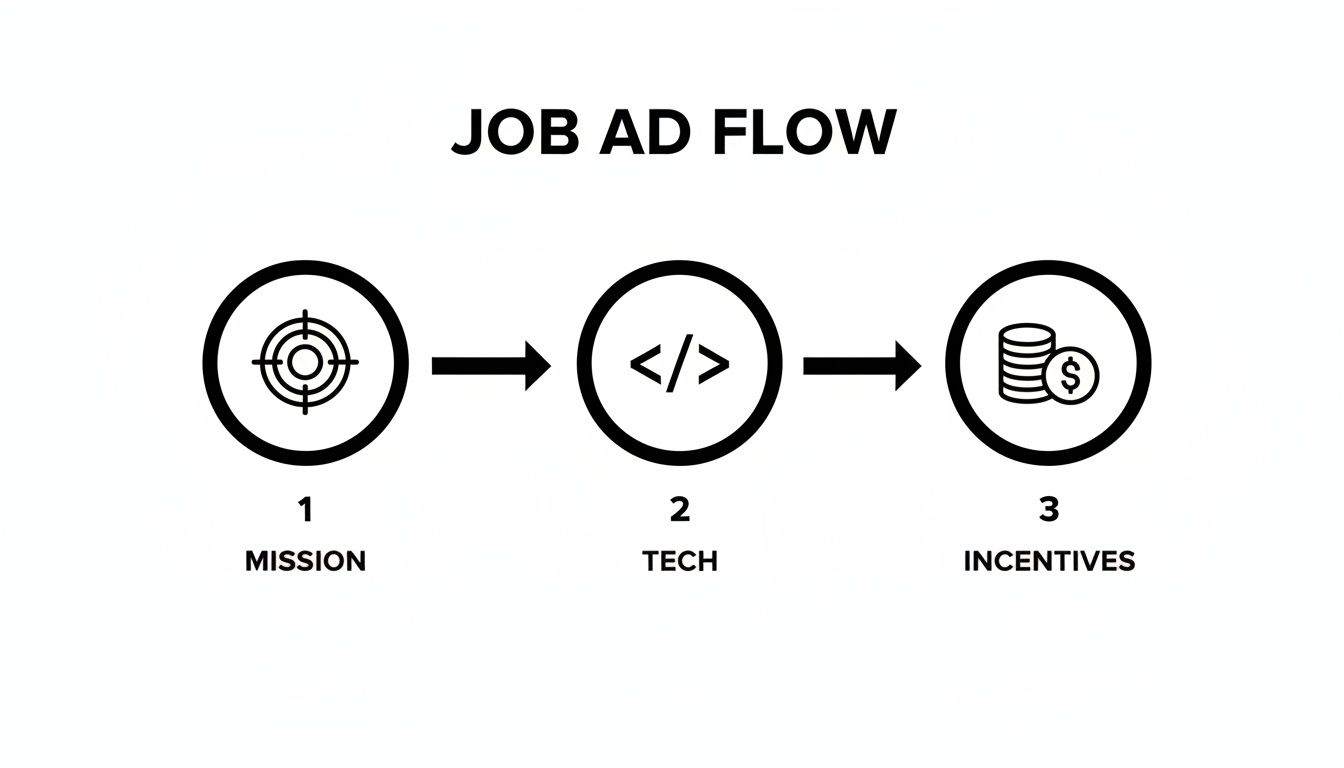
That graphic shows how mission clarity, technical focus, and defined incentives boost candidate engagement by 30% during screening.
Screening frameworks that blend automated and human insight cut time-to-hire by 25%, according to our internal data.
Behavioral Interview Questions
Behavioral prompts dig into culture fit, career aspirations, and problem-solving style. Try these to spark revealing stories:
- Describe a time you refactored a smart contract to improve performance and what you learned.
- How did you handle discovering a security flaw in production, and what career lessons did it teach you?
- Tell us about coordinating a protocol upgrade across time zones and managing stakeholder expectations.
- Which steps do you take to stay current with blockchain security best practices and how do you plan your career skill growth?
Their answers shed light on adaptability, teamwork under pressure, and alignment with your development roadmap.
Minimizing Bias In Assessments
A consistent pipeline keeps unconscious favoritism at bay. Here’s what we recommend:
- Use blind grading so reviewers only see code and instructions.
- Rotate reviewers to balance individual preferences.
- Archive rubrics and decisions for periodic fairness audits.
That way, every candidate competes on skill alone and gets equitable feedback for career progression.
Timely Feedback And Next Steps
Quick, clear communication reinforces your brand and keeps candidates engaged. Aim to:
- Auto-notify after code reviews with pass/fail results and improvement tips.
- Schedule feedback calls for take-home challenges within two business days.
- Summarize live pairing outcomes and outline the final interview stage promptly.
Consistent updates show respect for candidates’ time—and position your company as a place where career development is prioritized.
Benchmarking Compensation And Hiring Models
Hiring blockchain talent means matching highly specialized skills with appropriate pay. These experts drive real-world impact, so their expectations often sit at the top of market rates. Align your compensation packages with clear career ladder milestones to reinforce retention.
By 2025, demand stretched from DeFi and enterprise solutions to gaming and ZK-tech. In the U.S., a full-time blockchain developer now averages $146,250 per year (around $70.31/hour). Entry-level roles hover between $80K–$120K, while senior engineers can command $150K–$350K+. For a deep dive, check this Algorand blog report.
With those figures in mind, let’s break down how permanent hires compare to contractor models.
Full Time Versus Contractor Costs
When you bring someone on full-time, salary is just the starting point:
- Base pay plus benefits, equity or token grants
- Administrative overhead: payroll, taxes, HR resources
- Long-term retention via vesting schedules and career development programs
On the flip side, contractors offer flexibility but can raise project costs if used long-term:
- Hourly rates between $80 and $200 depending on expertise and region
- No benefits or vesting, so billing tends to be higher per hour
- Easy to scale up or down as project needs shift
Below is a quick look at average annual salaries and typical hourly rates for key blockchain roles.
Blockchain Developer Compensation Comparison
This table offers a baseline as you build your hiring strategy and align compensation with career steps.
| Role | Salary Range | Hourly Rate | Notes |
|---|---|---|---|
| Entry Blockchain Developer | $80K–$120K | $40–$60 | Ideal for MVP builds, supports first career milestone |
| Mid-Level Blockchain Engineer | $120K–$180K | $60–$120 | Supports core feature development, jump to senior role |
| Senior Protocol Engineer | $180K–$250K | $100–$150 | Drives architecture decisions, leadership career track |
| Smart Contract Auditor | $150K–$200K | $100–$200 | Project-based security assessments, path to security lead |
| ZK Proof Specialist | $200K–$350K | $120–$250 | Niche zero-knowledge expertise, potential R&D path |
Structuring Token And Equity Grants
Token allocations and equity stakes remain a powerful motivator. Here’s a common approach that dovetails with career milestones:
- Four-year vesting with a one-year cliff
- Equity stakes of 0.5%–1.5% for senior hires
- Token tiers set by role and expected impact
- Unlock schedules tied to project milestones and promotion checkpoints
Global Hiring Must Knows
Building a distributed team adds legal and tax layers:
- Draft agreements that cover IP rights and confidentiality
- Comply with local labor laws and tax obligations
- Partner with a PEO or payroll service for seamless payments
- Factor in benefits compliance and social security requirements
A fintech startup I advised slashed overhead by 30% by keeping a core in-house team and tapping in audit experts only when needed.
Blending permanent and contract resources can slash hiring spend by up to 30% without slowing down your roadmap.
Negotiation And Offer Tips
Nailing the offer stage blends data with creativity:
- Lay out salary, benefits, equity, and tokens so candidates see full value and clear career paths
- Use a signing bonus for in-demand roles to tip the scales
- Tie token grants to roadmap milestones—this manages dilution and keeps motivation high
- Discuss remote work stipends and professional development budgets upfront
Review Compensation And Hiring Models Periodically
Web3 niches like gaming or ZK proofs shift quickly in pay and demand:
- Set quarterly check-ins to refresh salary bands and contract rates
- Run internal surveys for feedback on competitiveness and career satisfaction
- Scan job boards and industry blogs to catch moving benchmarks
- Publish updates in a shared compensation guide for transparency
Communicate Compensation Transparently
Openness around pay builds trust and speeds decisions:
- Show where your offer sits within the market range—low, midpoint, or high
- Explain any discretionary bonuses or token uplifts with clear rationale
- Provide a sample vesting schedule graphic to demystify timelines
- Invite questions early to clear up any confusion before final interviews
This approach can boost acceptance rates by 20%, cutting back on negotiation cycles and reinforcing your commitment to fairness and career growth.
FAQ
When you’re growing a blockchain team, a few questions always resurface. Here are straightforward answers based on hands-on hiring experience.
What’s the best way to locate Solidity developers?
Pair niche crypto job boards with hackathon networks, then dive into protocol GitHub repos for direct outreach. Offering referral bonuses uncovers top-tier passive talent and starts the career conversation early.How do I verify a candidate’s security chops?
Assign a security-focused audit in a take-home task, then review their findings in a live session. This highlights their ability to spot vulnerabilities, suggest fixes, and shows them your feedback-driven interview style.How should I discuss career progression during interviews?
Share your 6-, 12-, and 24-month roadmap milestones and ask candidates where they see themselves adding impact. Offer examples of past hires’ growth stories to set clear expectations.
Hiring Models
Full-Time vs. Contractors:
Contractors keep you nimble during short-term spikes or deep audits. Full-time hires provide continuity for your core protocol roadmap and structured career ladders.Remote Legal Must-Haves:
Map out each jurisdiction’s employment regulations, clearly define IP and token equity terms, and partner with a global payroll service to handle compliance, taxes, and benefits.
Key Takeaway
Mixing flexible contracts with clear legal guardrails slashes risk and accelerates onboarding, while structured career discussions during hiring improve long-term retention.
Regularly review which FAQs candidates click the most, then refine your answers. Over time, that practice can cut repetitive questions by 50%, freeing up valuable hours previously spent on follow-up emails.
Embedding this FAQ in your job listing or follow-up emails demonstrates organization and transparency. It sets clear expectations and builds trust from day one.
Happy hiring ahead, everyone!
Ready to expand your team with skilled talent? Post your next opening on Blockchain Jobs